

That feeling has a solution. And in 2026, it’s smarter, less invasive, and more necessary than ever.
Over 50% of knowledge workers now operate in hybrid or fully remote settings, and managers are being asked to deliver results without direct visibility into how work gets done. A majority of companies that implement employee productivity monitoring software report measurable improvement in output.
So how do you know if your team is one of them? Here’s the checklist.
1. You’re Managing Output On Gut Feeling, Not Data
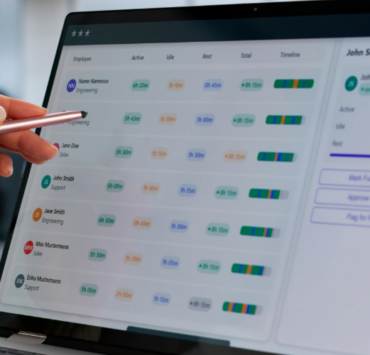
If your weekly assessment of team performance is based on who seems busy rather than what’s actually getting done, you have a visibility problem. Employee productivity monitoring software uses automated data collection and analytics to report on employee activities, time spent, work locations, and work patterns, giving managers clear, objective insight instead of impressions. Gut feeling isn’t a performance strategy.
2. Deadlines Are Slipping, And Nobody Can Explain Why
Projects run late. Timelines stretch. But when you ask why, the answers are vague. Modern monitoring platforms detect patterns in activity data, highlight workflow bottlenecks, and surface productivity trends automatically, so managers can quickly identify where work slows down before it becomes a missed deadline. If you’re always firefighting instead of preventing fires, this is your sign.
3. Your Remote Or Hybrid Team Is Essentially Invisible
A study by MIT found that 80% of companies are already monitoring remote or hybrid workers, not because they distrust their people, but because distributed work requires distributed visibility. If your in-office team has natural accountability structures and your remote team has none, you’re not managing fairly or effectively. Monitoring software levels on that playing field.
4. You Suspect Time Theft But Can’t Act On It
Around 90% of businesses track work hours versus non-work activities, and 69% of employees admit they don’t monitor their own time accurately. That gap is where productivity leaks. If timesheets feel like fiction and billable hours don’t add up, a monitoring tool gives you the paper trail to have real conversations or make real decisions.
5. You Have A Security Or Compliance Requirement You’re Not Meeting
This one isn’t optional. 71% of companies cite insider threats as a top concern, and industries handling sensitive data – healthcare, finance, legal, and BPO face increasing regulatory scrutiny. The right software connects compliance requirements to activity data, making it easier to meet GDPR, HIPAA, and other standards while respecting employee privacy. If an audit happened tomorrow, could you defend your data trail?

6. Your High Performers Are Carrying The Team And Burning Out
Uneven workload distribution is one of the most damaging and least visible management failures. Platforms like Intelogos now include burnout detection tools that flag early signs of fatigue, while productivity dashboards show you at a glance who is overloaded and who has capacity. If your best people are quietly exhausted while others are underutilised, monitoring software makes the imbalance visible before someone resigns.
7. You’re Scaling Fast, And Your Management Systems Haven’t Caught Up
Growth without visibility is chaos. As teams expand, the informal ways managers keep a pulse on performance stop working. Employee monitoring software has evolved from simple time trackers into workforce intelligence systems that reveal how teams work, what slows them down, and how performance can be optimised without micromanaging. Scaling teams need systems, not just supervision.
A Note On Doing This Right
The 2026 standard for employee productivity monitoring software isn’t surveillance; it’s insight. The trend this year is toward security-first, privacy-respecting monitoring: encrypted data storage, role-based access, and compliance with regulations like GDPR. The right software enhances productivity without making employees feel micromanaged because a motivated team is still the backbone of any successful operation.
The question isn’t whether your team needs accountability. Every team does. The question is whether your current systems give you the clarity to provide it fairly.
If you checked more than three boxes on this list, you already have your answer. And, as a next step, visit www.handdy.com for more information.