


In a physical office, a new employee can quickly learn by observing others. They can ask spontaneous questions, pick up workplace norms, and get real-time support from managers or teammates sitting nearby. In remote settings, that natural learning process disappears. New hires are often expected to learn systems, processes, team culture, and role expectations through scheduled calls, scattered documents, and endless chat threads.That disconnect can slow productivity, increase confusion, and create a poor first impression.
In 2026, as remote and hybrid teams continue to be a normal part of business operations, companies are realizing that onboarding is not just an HR checklist. It is a performance process. If employees do not get the right support in their first few weeks, it can take months for them to become fully effective. In some cases, they never quite catch up. This is where monitoring tools, when used correctly, can make a meaningful difference. Not as instruments of control, but as systems that create visibility, structure, and support during the early stages of employment.
Why Remote Onboarding Often Breaks Down
The biggest problem with remote onboarding is not distance alone. It is the lack of visibility. Managers cannot easily tell whether a new hire understands their tasks, knows how to use the required tools, or is silently struggling with blockers. Teammates may assume someone else has explained a workflow. New employees, meanwhile, may hesitate to ask too many questions out of fear of appearing unprepared.
This creates a hidden onboarding gap. The employee is technically “working,” but not confidently. They spend extra time figuring out simple things, switching between systems, waiting for clarifications, or repeating avoidable mistakes. That lost time adds up quickly. Recent workplace trends in 2026 continue to highlight the importance of early employee experience. Companies that invest in better onboarding tend to see stronger engagement, faster ramp-up times, and better retention. And in remote environments, structured support matters even more because casual learning is limited.
What New Remote Hires Actually Need
When companies think about onboarding remote employees, they often focus on paperwork, welcome calls, and access to software. Those things matter, but they are only the beginning.
New hires also need:
- Clear expectations for what success looks like in the first 30, 60, and 90 days.
- Visibility into daily workflows and team processes.
- Timely feedback on how they are performing.
- Easy ways to ask questions and get help.
- Enough structure to stay confident without feeling watched.
This balance is difficult to achieve manually, especially when managers are handling multiple team members or distributed teams across time zones. That is why many companies are turning to digital tools to make the onboarding experience more guided and less uncertain.
How Monitoring Tools Can Support Onboarding
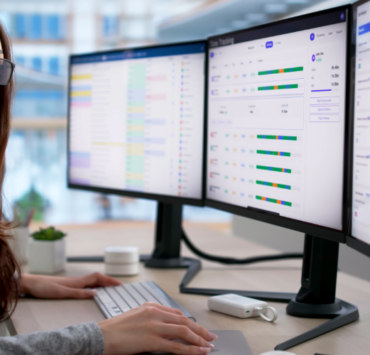
The phrase “monitoring tools” can sound intimidating, but in a healthy workplace, their value is not about surveillance. It is about helping managers understand whether a new employee is settling in well and helping new employees understand how to work effectively. Used thoughtfully, these tools can support onboarding in several practical ways.
First, they create visibility into work patterns. If a new employee is spending too much time on simple tasks, frequently switching between applications, or struggling to complete routine work, managers can identify those signals early. That opens the door for coaching before frustration builds.
Second, they help measure ramp-up progress. Rather than relying only on gut feeling, employers can track whether a new hire is gradually becoming more efficient, more independent, and more confident in their daily work.
Third, they reduce ambiguity. Many remote employees struggle not because they lack skill, but because they are unsure whether they are doing things the right way. When performance patterns, task progress, and workflow bottlenecks are visible, feedback becomes more specific and more useful.
Finally, they help standardize onboarding. Instead of each manager handling new hires differently, organizations can build more consistent onboarding processes supported by real data.
The Real Benefit: Faster Confidence
The most valuable outcome of good onboarding is not just speed. It is confidence.
When new remote employees know what they should focus on, where they are progressing, and when to ask for help, they become productive faster. They stop second-guessing small decisions. They waste less time on trial and error. They integrate into the team more naturally.
Monitoring tools can contribute to this by showing patterns that would otherwise remain invisible. For example, if a new customer support hire is taking far longer than expected to resolve tickets, the issue may not be poor performance. It could be unclear documentation, insufficient training, or a confusing internal workflow. Without visibility, managers may miss the real cause.
In this sense, monitoring becomes less about tracking people and more about improving the system around them.
Best Practices For Using Monitoring Tools During Onboarding
To make these tools helpful rather than stressful, companies need the right approach.
- Be transparent from day one. Explain what is being tracked, why it matters, and how it supports employee success.
- Focus on learning, not policing. Use data to coach and remove blockers, not to create fear.
- Track trends over time. A new hire’s first few weeks will naturally include slower performance.
- Pair data with regular check-ins. Numbers alone never tell the full story.
- Measure role-relevant outcomes. Productivity looks different across functions.
This is especially important in 2026, when employees are more aware than ever of digital privacy and workplace trust. Tools should strengthen onboarding, not damage culture.
A Better Remote Start
Onboarding remote employees successfully requires more than sending welcome emails and scheduling orientation calls. New hires need clarity, structure, and support from the very beginning. When companies lack visibility into that process, employees can drift, disengage, or take much longer to become effective.
Monitoring tools, when used responsibly, help close that gap. They give managers a clearer picture of progress, help identify friction early, and make onboarding more intentional. The result is a smoother experience for the employee and a faster return on hiring for the business.
If your team is looking for a smarter way to simplify onboarding remote employees, tools like Handdy can help create better visibility, smoother ramp-up, and more structured support for new hires in remote environments.
FAQs
1. Why is onboarding remote employees harder than onboarding in-office staff?
Remote hires miss informal learning — watching colleagues, asking spontaneous questions, and absorbing team culture naturally. Without that environment, new employees often struggle silently with unclear expectations and limited feedback, slowing down their productivity considerably.
2. How do monitoring tools help new remote hires get up to speed faster?
Monitoring tools give managers visibility into work patterns and task progress. If a new hire struggles with routine tasks, managers can spot signals early and provide targeted coaching before small issues turn into bigger productivity problems.
3. Are monitoring tools appropriate to use during employee onboarding?
Yes, when used transparently. Be upfront about what is tracked and why. Using data to remove blockers rather than penalize new hires makes monitoring a genuinely helpful onboarding resource instead of an unnecessary source of workplace stress.
4. What should companies track during the remote onboarding period?
Focus on role-relevant metrics like task completion trends, workflow time, and ramp-up pace across the first 90 days. The priority should be identifying process friction and training gaps, not judging individual performance too early.
5. How long does it take for a remote employee to fully ramp up?
Without structured support, remote employees can take several months to become fully effective. With clear expectations, regular feedback, and visibility tools in place, companies can significantly shorten that timeline and build early employee confidence faster.