

Everyone claims they want honesty at work, but when was the last time a spreadsheet did more for trust than a conversation over coffee? The reality: time tracking isn’t just about efficiency, it’s about shaping a workplace where trust grows in plain sight. In the digital era, employee time tracking is often misunderstood as a tool for surveillance, but when used transparently, it can be the heartbeat of a fair, supportive, and motivated team.
Moving Beyond the Clock-In Culture
Picture this: the classic punch card system, rigid and impersonal, replaced by slick digital dashboards. Technology promises precision, but only transparency transforms trust. Too often, companies introduce employee time tracking systems with the intent to improve productivity, only to spark a culture of unease. Employees feel watched, their autonomy threatened, and managers find themselves mediating suspicion instead of leading growth.
But what if the narrative shifted? Transparency in time tracking is less about monitoring and more about fostering openness. When employees understand how their time is measured, why it matters, and what’s done with that information, skepticism gives way to trust.
The New Blueprint for Team Dynamics
Transparent employee time tracking signals that management trusts its people to manage their hours ethically. This level of openness sets a new blueprint for workplace relationships:
- Clarity on Expectations:Employees know exactly what’s expected for their role, what hours count, and what results are valued.
- Fairness in Evaluation:Time data, when shared and explained, ensures that reviews are based on facts, not bias or guesswork.
- Autonomy and Ownership:Employees become partners in the process, empowered to manage their own time, voice concerns, and suggest improvements.
When businesses embrace transparency, employee time tracking transforms from a compliance tool into a platform for dialogue.
Why Transparency Matters More Than Control
Workplaces thrive on trust. Transparent time tracking eliminates the sense of secrecy that drives negative perceptions. Here’s how transparency benefits organizations:
- Reduces Micromanagement:By clearly communicating how and why time is tracked, managers spend less time overseeing and more time supporting their team’s growth.
- Prevents Misunderstandings:Open reporting and feedback systems help avoid disputes about overtime, breaks, or workload, making policies clear and fair.
- Encourages Honest Conversations:When everyone knows what’s being monitored and why, it’s easier to discuss goals, barriers, and achievements.
- Boosts Morale:Employees who feel trusted are more likely to give their best, innovate, and build lasting connections within the company.
Transparent employee time tracking can even become a point of pride. When teams see their contribution measured fairly, it validates their effort and highlights areas for support or recognition.
Steps to Make Time Tracking Transparent
Making time tracking a trust-building exercise requires more than just a memo or an app installation. Consider these steps:
- Involve Employees Early:Before implementing any system, seek input from the team. Ask what concerns they have, what features they’d like, and how tracking fits their work.
- Explain the Why:Clarify why employee time tracking is being adopted. Is it to eliminate bottlenecks, ensure compliance, or enable flexible work schedules? Honesty about intentions builds confidence.
- Share Metrics Openly: Regularly review the collected data with the team. Show how hours translate into productivity, and invite questions about outliers or trends.
- Create Feedback Loops: Allow employees to comment on the system, flag mistakes, or request changes. Feedback shouldn’t disappear into a digital void; it should shape future policies.
- Protect Privacy: Define clearly what data is tracked and what isn’t. Respect boundaries by not collecting unnecessary personal information.
- Lead by Example: Managers should use the same system and disclose their own time data. When leadership is subject to the same standards, trust deepens.
Real-World Impact: Turning Transparency into Value
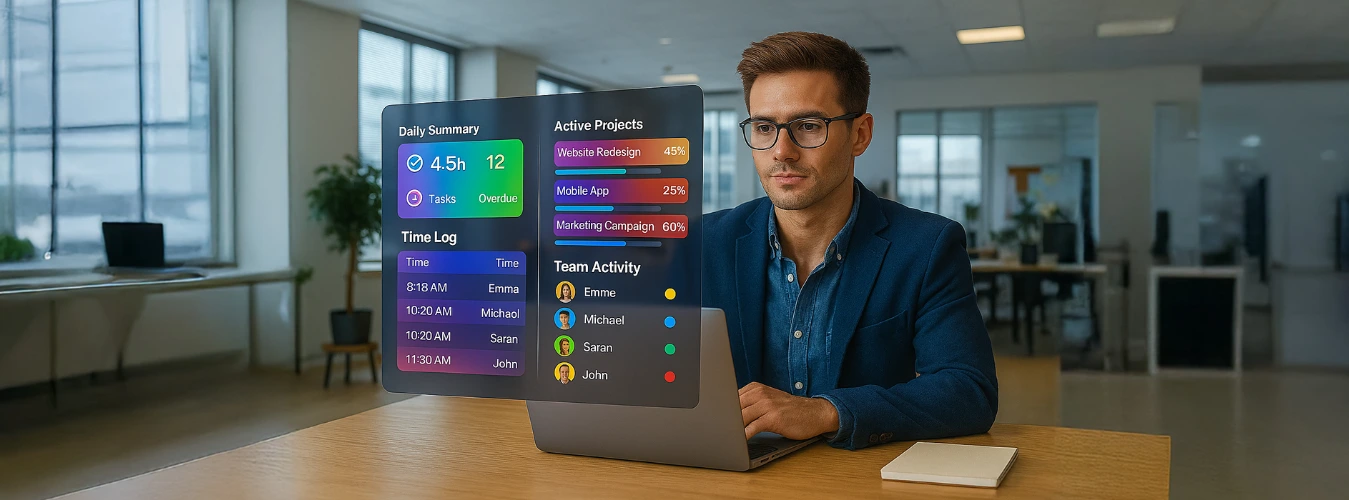
Imagine a distributed tech team using a cloud-based employee time tracking platform. Instead of keeping logs hidden, the project manager shares weekly dashboard summaries with everyone. Team members see their progress, understand how their work fits into the larger project, and openly discuss roadblocks. The result? More honest conversations about workload and timelines and fewer last-minute surprises.
Another example: At a midsize accounting firm, transparency means letting employees check their time records any time. This open-door policy reduces stress about payroll errors and gives everyone a sense of control.
Overcoming Resistance
Introducing transparent time tracking may be met with skepticism. Counter this by emphasizing mutual benefit and not just company interests. When everyone understands how tracking supports fair schedules, better project estimates, and work-life balance, resistance wanes.
The Future of Employee Time Tracking
Transparency in employee time tracking is more than a management fad, it’s an essential cultural shift. Companies that make time tracking a shared journey rather than a hidden process lay the foundations for trust, loyalty, and meaningful collaboration.
So next time you consider tweaking your time tracking system, start by asking: How can we use this tool to build trust, not control? The answer might just be the conversation your team needs. For more information on how you can use an employee time tracking app for your workplace, visit www.handdy.com
Frequently Asked Questions
1.What is transparent time tracking in the workplace?
Transparent time tracking is an open approach where employees and managers can view, understand, and discuss time tracking data. It involves clear communication about what’s being tracked, why it’s tracked, and how the data is used, fostering mutual trust and accountability.
2. How does time tracking transparency build team trust?

Time tracking transparency builds trust by eliminating surveillance concerns, showing that tracking is for productivity insights rather than micromanagement. When employees understand the purpose and can access their own data, they feel respected and valued as professionals.
3. What are the benefits of transparent time tracking for employees?
Transparent time tracking helps employees understand their productivity patterns, identify time-wasters, better estimate project timelines, and demonstrate their contributions. It empowers them with data for workload management and career development conversations.
4. How can managers implement transparent time tracking without micromanaging?
Managers should clearly communicate tracking purposes, involve employees in selecting tools, focus on project progress rather than minute-by-minute monitoring, use data for support not punishment, and maintain open dialogue about time tracking practices.
5. What’s the difference between time tracking and employee surveillance?
Time tracking focuses on project hours, task duration, and productivity insights with employee knowledge and consent. Surveillance involves secretive monitoring of activity, keystrokes, or screens without transparency, creating a culture of distrust and fear.