

The Myth of “Always Online = Always Productive”
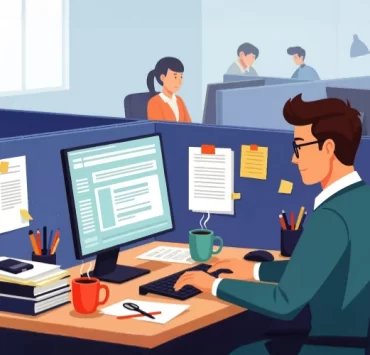
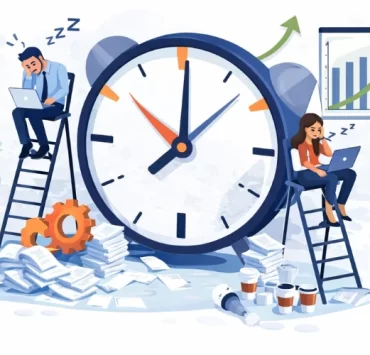
For years, many workplaces equated visibility with productivity. If someone was online, chatting, clicking, and typing, they were thought to be working hard. But digital research tells a different story. Constant screen exposure actually drains concentration, causes digital fatigue, and increases stress.
Top teams have realized this. Instead of glorifying long screen hours, they shift focus toward quality output and balanced engagement. They understand that the mind needs space, not a 12-hour marathon on Zoom or endless document revisions.
This mindset change is crucial. It replaces the old “busy culture” with a smarter, evidence-based approach that values outcomes over activity.
Smarter Use of Employee Productivity Monitoring
Employee productivity monitoring often raises eyebrows; people assume it’s just about spying on workers. But in high-performing teams, it’s the opposite. They use monitoring tools ethically, transparently, and strategically.
Here’s what they do right:
- The best companies don’t monitor to catch mistakes; they use data to understand work patterns. Insights from screen time analytics help identify bottlenecks, unnecessary meetings, or digital distractions.
- Employees know what’s being tracked and why. This builds trust and ensures that monitoring supports people rather than policing them.
Instead of monitoring keystrokes or idle times, successful teams track completion rates, collaboration quality, and creative flow periods.
Think of it like a fitness tracker. Just as smartwatches give you awareness of how you move, productivity monitoring gives organizations an overview of how teams work, allowing them to improve rhythm and energy.
The Balance Between Screen Time and Deep Work
Not every hour in front of a screen is equal. Productive teams protect their time for what researcher Cal Newport calls “deep work”, – stretches of uninterrupted focus where creativity and critical thinking shine.
Top performers often implement these practices:
- Screen-Free Zones:Designating short periods each day for notebook brainstorming, walking meetings, or idea sessions away from the computer.
- Digital Downtime: Encouraging employees to switch off notifications for set hours, especially when writing, coding, or problem-solving.
- Focus Analytics: Using employee productivity monitoring reports to identify when distraction levels peak and adjusting workflows to protect deep-focus periods.
Time Well Spent: Data-Driven Efficiency
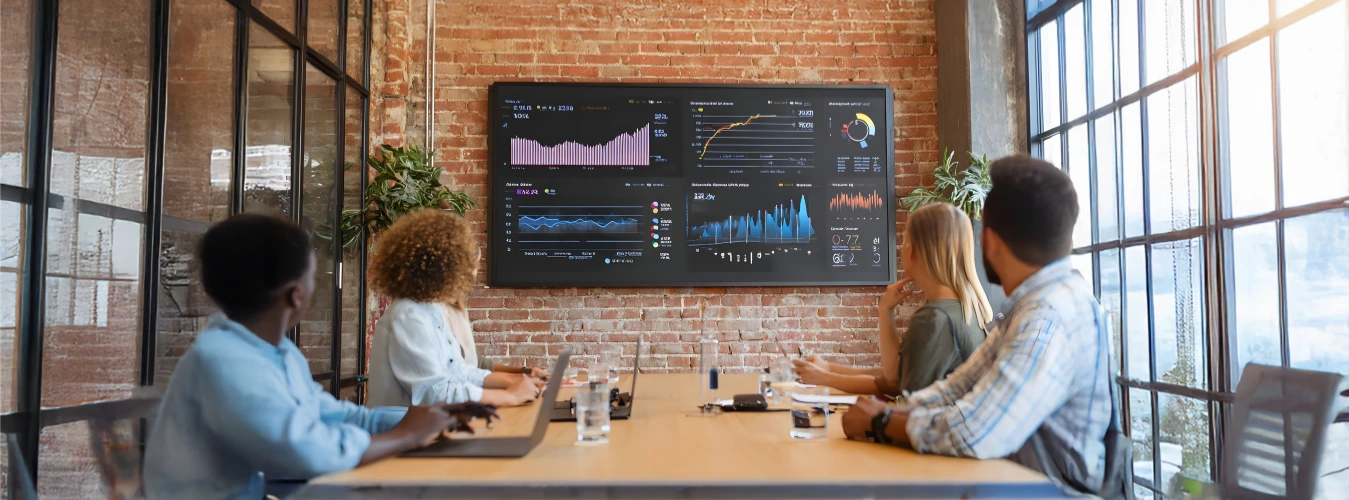
Top-performing teams don’t just work hard; they work with data on their side. Productivity analytics can highlight where time slips away unnoticed: frequent context-switching, excessive emails, or multitasking gone wrong.
With those insights, they can make small but powerful adjustments, like:
- Streamlining tools – replace multiple apps with an integrated dashboard.
- Introducing “no-meeting Wednesdays” to protect mid-week focus.
- Automating repetitive tasks – allow people to spend more time on creative, high-value work.
The result? Teams feel less overwhelmed, finish tasks faster, and maintain higher quality in their output. And because everyone can see improvement metrics through responsible employee productivity monitoring, motivation levels naturally rise. People enjoy seeing progress, not just pressure.
Employee Wellbeing: The Secret Ingredient
The most productive teams understand that efficiency without wellbeing is unsustainable. Digital overload quickly leads to burnout – this is a hidden enemy of performance.
So, they turn monitoring insights into wellbeing strategies:
- If screen time spikes after working hours, managers encourage time-off boundaries.
- If fatigue patterns show up in data, HR introduces short wellness breaks or guided focus sessions.
- If projects show unusually high late-night activity, teams discuss workload balance rather than glorifying the “hustle.”
By tying screen-time awareness to wellbeing, leaders signal that productivity is a shared journey, not a personal burden.
Leadership Lessons: Setting the Right Example
In every high-performing team, leadership behavior sets the cultural tone. When managers send messages at midnight, teams assume they’re expected to do the same. But when leaders respect focus hours, limit digital noise, and use employee productivity monitoring transparently, employees mirror that mindset.
Effective leaders also celebrate smart use of technology, not just long hours online. They highlight achievements like “fewer hours, higher quality work” or “team reduced response times by 30% with less stress.” These public wins reshape company culture toward sustainable success.

The Future of Productive Screen Time
As remote and hybrid work continue to evolve, our relationship with screens will define the future of performance. Top-performing teams are showing that the secret isn’t about working more, but working smarter – to use technology to inform, not exhaust.
In the right hands, employee productivity monitoring becomes a powerful ally. It’s no longer a tool for surveillance, but a mirror that helps teams reflect, reset, and rise.
By understanding screen-time patterns, limiting digital noise, and nurturing focus-friendly environments, organizations can create workplaces where productivity feels natural and balanced, not forced. After all, progress happens when we manage screens wisely, not when screens manage us.
For more information on how you can do this for your employees, visit www.handdy.com
Frequently asked questions
1. What screen time habits do top-performing teams share?
High-performing teams track productive vs. unproductive screen time, set clear focus periods, use data-driven insights to optimize work patterns, and implement transparent monitoring systems that employees trust.
2. How does screen time monitoring improve team productivity?
Screen time monitoring helps identify productivity patterns, eliminate time-wasting activities, optimize work schedules, and provide managers with actionable insights to support their teams better. Companies report up to 30-40% productivity improvements.
3. Is employee screen monitoring legal and ethical?
Yes, when implemented with transparency and consent. Top-performing teams use monitoring tools openly, communicate policies clearly, focus on productivity improvement rather than micromanagement, and respect employee privacy during breaks and off-hours.
4. Does screen time tracking work for remote teams?
Absolutely. Remote teams benefit most from screen time tracking as it provides visibility into work patterns, helps maintain accountability without physical supervision, and works even with unstable internet connections (like Handdy’s offline functionality).
5. What ROI can companies expect from employee monitoring software?
Companies typically see 25-40% productivity increases, reduced time theft, better project estimation, improved resource allocation, and clearer performance insights. At $0.99/user/month, the ROI is usually realized within the first month.