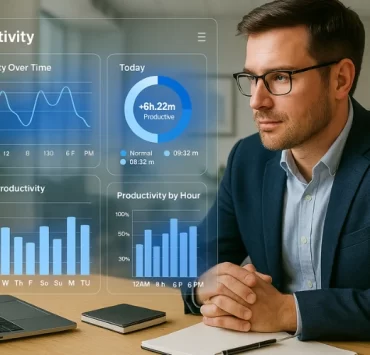



Imagine this: It’s Monday morning, and your team is buzzing with energy. Deadlines are met, collaboration is smooth, and everyone is focused on their tasks. Sounds like a dream, right? For many managers, maintaining this level of productivity is a constant challenge. But here’s the good news: with the right management techniques and tools like employee productivity monitoring and productivity apps, you can turn this dream into reality.Today, keeping teams productive requires more than just good leadership. It demands a strategic approach, backed by data and technology. In this blog, we’ll explore seven essential management techniques to boost team productivity and how employee monitoring apps can help you implement them effectively. Let’s dive in!
1. Set Clear Goals and Expectations
The foundation of a productive team is clarity. When employees know exactly what’s expected of them, they’re more likely to stay focused and deliver results. As a manager, it’s your job to set clear, measurable goals and communicate them effectively.
How Productivity Apps Help: Tools like Handdy allow managers to create task lists, assign responsibilities, and set deadlines. These apps provide a centralized platform where everyone can see their tasks and how they contribute to the bigger picture. For example, a marketing manager can use Trello to outline a campaign timeline, assign tasks to team members, and track progress in real time.
Employee Productivity Monitoring: Apps like Handdy can help ensure that employees are spending their time on the right tasks. By tracking time spent on specific projects, managers can identify if anyone is veering off course and provide timely guidance.
2. Foster Open Communication
Miscommunication is one of the biggest productivity killers. Whether it’s a missed email or a misunderstood instruction, even small communication gaps can lead to delays and errors. To keep your team productive, prioritize open and transparent communication.
How Productivity Apps Help: Platforms like Slack or Microsoft Teams make it easy for teams to stay connected. Managers can create dedicated channels for projects, share updates, and encourage collaboration. For instance, a remote team can use Slack to discuss project details, share files, and resolve queries instantly.
Employee Productivity Monitoring: Monitoring tools can also provide insights into communication patterns. For example, if a team member is spending too much time in meetings or responding to messages, it might indicate a need to streamline communication processes.
3. Encourage Accountability
Accountability is the glue that holds productive teams together. When employees take ownership of their tasks, they’re more likely to stay motivated and deliver quality work. As a manager, your role is to create an environment where accountability thrives.
How Productivity Apps Help: Productivity apps allow managers to assign tasks, set deadlines, and track progress. These tools provide visibility into who’s responsible for what, making it easier to hold team members accountable.
Employee Productivity Monitoring: There are tools to track activity levels and provide reports on how employees are spending their time. By sharing these insights with the team, managers can encourage self-accountability and highlight areas for improvement.
4. Minimize Distractions
In an increasingly digital world, staying focused is harder than ever. Distractions not only reduce individual productivity but also disrupt team workflows. As a manager, it’s your job to help your team stay on track.
How Productivity Apps Help: Using the Pomodoro method can help employees stay focused. You can also use tools that block distracting websites and apps, allowing team members to concentrate on their tasks.
Employee Productivity Monitoring: Monitoring tools can identify common distractions across the team. For example, if multiple employees are spending too much time on social media, managers can implement guidelines or provide training on time management.
5. Provide Regular Feedback
Feedback is a powerful tool for improving productivity. When employees know what they’re doing well and where they can improve, they’re more likely to stay motivated and perform at their best. Regular feedback also helps build trust and strengthens the manager-employee relationship.
How Productivity Apps Help: Platforms like Handdy make it easy for managers to provide ongoing feedback. These tools allow employees to share updates, set goals, and receive constructive feedback in real time.
Employee Productivity Monitoring: Monitoring tools can provide data-driven insights to support feedback. For example, if an employee is consistently missing deadlines, a manager can use time-tracking data to identify the root cause and offer targeted advice.
6. Promote Work-Life Balance
Burnout is the enemy of productivity. When employees are overworked and stressed, their performance suffers, and morale drops. As a manager, it’s your responsibility to promote a healthy work-life balance and prevent burnout.

How Productivity Apps Help: Tools like Handdy can be used to set boundaries, such as “no-meeting Fridays” or designated quiet hours. Wellness apps can also encourage employees to take breaks and prioritize mental health.
Employee Productivity Monitoring: Monitoring tools can help identify signs of overwork. For example, if an employee is consistently working late or skipping breaks, a manager can step in and remind them to take time off. By promoting work-life balance, you’ll create a happier, more productive team.
7. Leverage Data to Optimize Workflows
We all talk about data being the new oil. So use that “oil” to improve how employees work. Managers need data-driven insights to identify inefficiencies, optimize workflows, and make informed decisions. This is where employee productivity monitoring tools truly shine.
How Productivity Apps Help: Apps like Handdy provide detailed reports on how time is spent. Managers can use this data to identify bottlenecks, reallocate resources, and streamline processes. For example, if a team is spending too much time on administrative tasks, a manager can explore automation tools to save time.
Employee Productivity Monitoring: Handdy also offers advanced analytics, such as app usage, activity levels, and project timelines. By analyzing this data, managers can make data-driven decisions that boost productivity across the board.
Productivity is a Team Effort
Keeping your team productive isn’t just about implementing the right techniques: it’s about creating a culture of efficiency, accountability, and collaboration. By setting clear goals, fostering open communication, encouraging accountability, minimizing distractions, providing regular feedback, promoting work-life balance, and leveraging data, you can unlock your team’s full potential.
And with the help of employee productivity monitoring tools and productivity apps, this process becomes even easier. These tools provide the insights, structure, and support needed to optimize workflows and keep everyone on track.
So, whether you’re managing a small team or leading a large organization, remember: productivity is a team effort. By adopting these seven essential techniques and leveraging the right tools, you can create a work environment where everyone thrives. Want more information on Handdy? Visit www.handdy.com